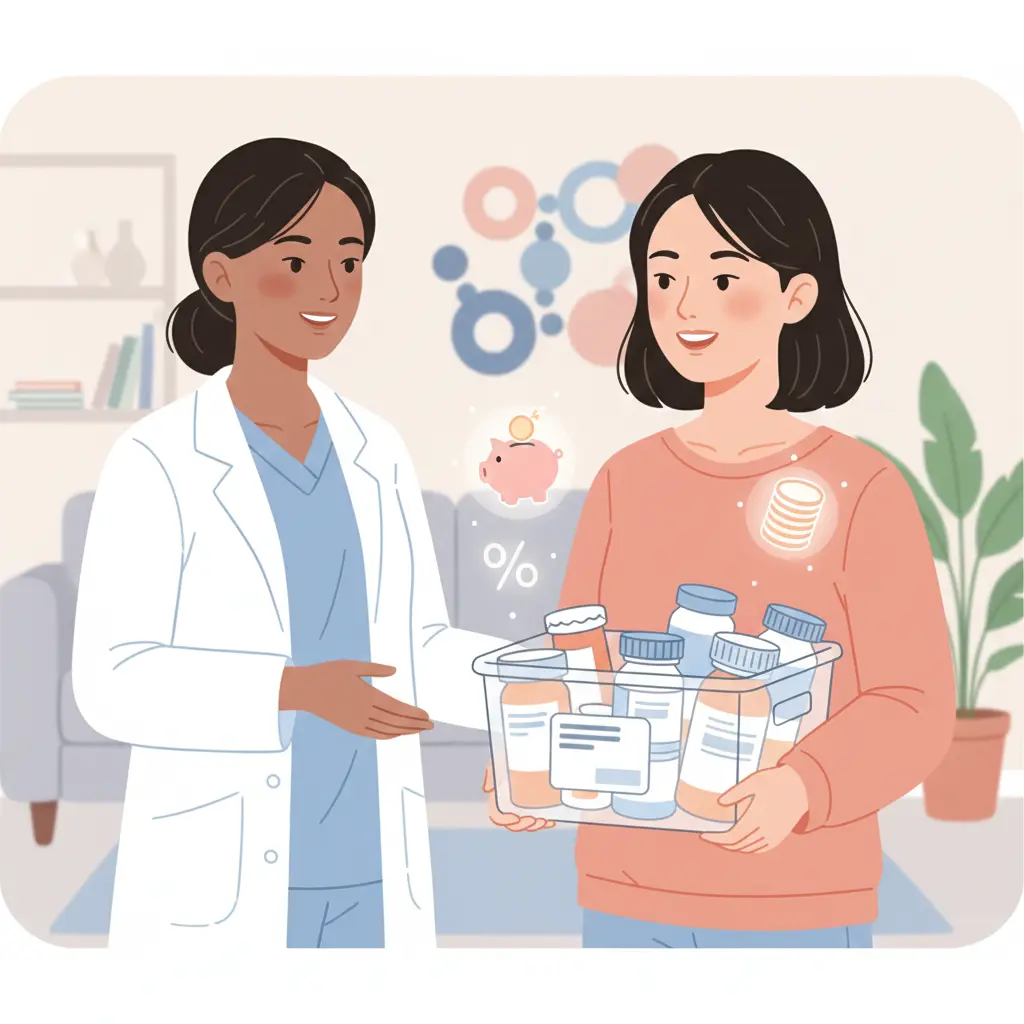
For many individuals and couples, fertility treatment is an emotional and financial commitment. While medical advancements have made IVF, egg freezing, and fertility medications more effective than ever, the costs are still overwhelming for most families. The good news? There are several proven ways to reduce the cost of fertility medications—if you know where to look.
In this detailed guide, we explain how to get fertility meds cheaper, how to access low-cost fertility treatments, and how programs like Maybe Babies and pharmacy discounts can dramatically reduce your expenses.
Why Fertility Medications Are So Expensive
Fertility medications account for 30%–50% of total fertility treatment costs, depending on your protocol. Injectable hormones such as Gonal-F, Menopur, Follistim, Ovidrel, and Cetrotide are medically necessary in most IVF, egg freezing, and embryo-freezing cycles.
But because these medications are biologics, they’re expensive to manufacture—leading to high retail prices.
Many patients don’t realize that medication costs vary by pharmacy, by brand, and even by day. Understanding the system helps you find low-cost fertility treatment options without sacrificing quality or safety.
How to Get Fertility Meds Cheaper: 10 Proven Methods
Below are the most effective strategies to reduce the cost of fertility medications.
1. Understand Your Insurance Coverage
Before buying anything out of pocket, start with your insurance plan.
Many insurance plans will:
✔ Cover fertility medications even when they don’t cover IVF
✔ Cover some hormone injections for diagnostic cycles
✔ Require prior authorization for coverage
Call your insurance provider and ask:
- Does my plan cover fertility medications such as FSH, Menopur, or trigger shots?
- Do I need prior authorization?
- Am I limited to a specific specialty pharmacy?
Understanding your coverage upfront can save you thousands and help you choose a low-cost fertility treatment plan that fits your situation.
2. Compare Prices at Multiple Pharmacies
One of the biggest mistakes patients make is ordering everything from the first pharmacy they’re referred to.
Prices vary dramatically between pharmacies.
- Gonal-F at Pharmacy A: $1,200
- Gonal-F at Pharmacy B: $945
That’s the same medication at a completely different price.
Always compare:
Independent fertility pharmacies
Often offer discount programs, coupons, and price matching.
Big-box pharmacies
Some stores offer competitive pricing for oral fertility medications.
Online specialty pharmacies
Provide transparency and sometimes lower pricing.
Tip: Many patients save more by ordering different meds from different pharmacies.
3. Use Manufacturer Discount Programs
Most major fertility medication brands offer income-based and need-based discounts, including:
EMD Serono Fertility Savings Program
For medications like:
- Gonal-F
- Ovidrel
- Cetrotide
Discounts range from 25% to 75% depending on eligibility.
Ferring Pharmaceuticals Assistance Program
For medications like:
- Menopur
- Endometrin
- Fyremadel
These programs provide huge savings, especially for self-pay patients.
This is one of the most reliable paths to low-cost fertility treatment options.
4. Ask About Pharmacy Rebates and Coupons
Not all coupons are advertised online.
Some come directly from:
- Your fertility doctor
- Pharmacy partners
- Manufacturers
- Seasonal offers
- First-time patient promotions
Always ask your pharmacy:
“Do you have any rebates or coupons for this medication?”
A 10%–20% instant discount is common.
5. Order Your Fertility Medications as You Go
Many clinics give patients a long list of required medications and encourage bulk ordering.
But fertility dosing often changes during your cycle.
If you over-order:
You cannot return fertility medications.
Instead, order just enough to start, then refill based on your doctor’s monitoring.
This approach saves hundreds and lowers waste, making the entire process a low-cost fertility treatment option.
6. Choose a Fertility Pharmacy With Same-Day Delivery
When your pharmacy offers same-day delivery, you don’t need to buy extra medication “just in case.”
This prevents overspending and helps patients avoid emergency purchases.
Many fertility patients save $300–$600 simply by ordering only when the dose is confirmed.
7. Look Into Nonprofit Grants and Scholarships
There are dozens of organizations offering grants for:
- IVF treatment
- Egg freezing
- Medication coverage
- LGBTQ+ family building
- Low-income patients
- Veterans
- Cancer patients seeking oncofertility
Popular grant programs include:
- BabyQuest Foundation
- Cade Foundation
- RESOLVE Grants
- Livestrong Fertility
- HeartBeat Program
If you qualify, grants can significantly reduce your fertility medication expenses.
8. Explore Personal Fertility Loans and Payment Plans
Some clinics and pharmacies work with lenders offering low-interest loans specifically for fertility costs.
Companies often include:
✔ CapexMD
✔ Lending Club
✔ Sunfish
✔ PatientFi
These services help patients break enormous medication costs into manageable monthly payments.
This makes low-cost fertility treatments more accessible, even for families paying out of pocket.
9. Use Medical Tax Deductions
Under IRS guidelines, fertility treatment and fertility medications qualify as medical expenses.
If your total medical costs exceed 7.5% of your adjusted gross income, you may be eligible for a tax deduction.
This includes:
- IVF
- Egg freezing
- Fertility hormones
- Monitoring bloodwork
- Anesthesia
- Travel for treatment
Patients often receive significant tax refunds, which lowers the overall cost of treatment.
10. Avoid Overseas or Unsafe Medication Sources
Buying fertility medications from non-verified vendors or overseas websites is dangerous and illegal.
Unregulated medications can be:
- Expired
- Unrefrigerated
- Diluted
- Fake
- Contaminated
Cheap medications are not worth risking your health or treatment success.
Always choose licensed pharmacies offering safe and low-cost fertility treatment options.
Low-Cost Fertility Treatment Options: What You Should Know
In addition to cheaper fertility medications, many clinics offer lower-cost pathways to treatment.
These may include:
1. Natural Cycle or Mini-IVF
Uses minimal medications and is ideal for:
- Patients with low ovarian reserve
- Patients are sensitive to medications
- Those looking for lower out-of-pocket costs
Medication expenses are significantly lower in these cycles.
2. Off-Brand or Generic Medications
Not all fertility medications have generics, but some oral medications do, such as:
- Clomiphene
- Letrozole
These cost less than $50 per cycle, helping patients reduce expenses.
3. Shared-Risk and Multi-Cycle Programs
These are popular ways to reduce overall costs:
- Pay one fee for multiple cycles
- Receive refunds if the treatment doesn’t produce a pregnancy
- Lower cost per cycle when pre-paying for 2–3 cycles
These programs offer predictable pricing for long journeys.
4. Fertility Treatment Maybe Babies Program
Programs like Low Cost Fertility Treatment, Maybe Babies, and Maybe Babies Analysis give patients access to:
- Transparent pricing
- Medication discounts
- Financing options
- Cost-based cycle plans
Maybe Babies is known for cost-effective and patient-friendly fertility solutions.
How to Choose the Best Low-Cost Fertility Treatment Plan
When aiming to save money, it’s crucial to balance affordability with safety.
Here’s what to look for:
✔ A clinic offering transparent pricing
✔ Financial counselors to explain coverage
✔ Partnerships with low-cost pharmacies
✔ Medication discount programs
✔ Multi-cycle or shared-risk plans
✔ A clinic with high success rates (to reduce multiple attempts)
Cheaper isn’t always better—successful treatment the first time is the most cost-effective option.
Frequently Asked Questions (FAQ)
1. What is the average cost of fertility medications?
Most patients spend $2,000–$5,000 on injectable medications for IVF or egg freezing.
2. Can I get fertility meds cheaper without insurance?
Yes. Manufacturer discounts, pharmacy comparisons, grant programs, and ordering ” as needed ” all reduce costs significantly.
3. What is the cheapest fertility treatment option?
Oral-medication-based IUI cycles are the most affordable.
Mini-IVF is the least expensive IVF option.
4. Does Maybe Babies offer low-cost fertility treatment?
Yes. Programs like Low Cost Fertility Treatment Maybe Babies are designed to help patients access fertility care with transparent, affordable pricing.
Final Thoughts
You don’t have to let high medication prices stop your fertility journey. With the right strategies—including insurance optimization, pharmacy comparisons, manufacturer savings programs, and nonprofit grants—you can find truly low-cost fertility treatments that fit your budget.
Fertility treatment is emotional, but the financial side doesn’t have to be overwhelming. With planning, research, and support, you can reduce costs while receiving safe, high-quality care.
Leave a Reply